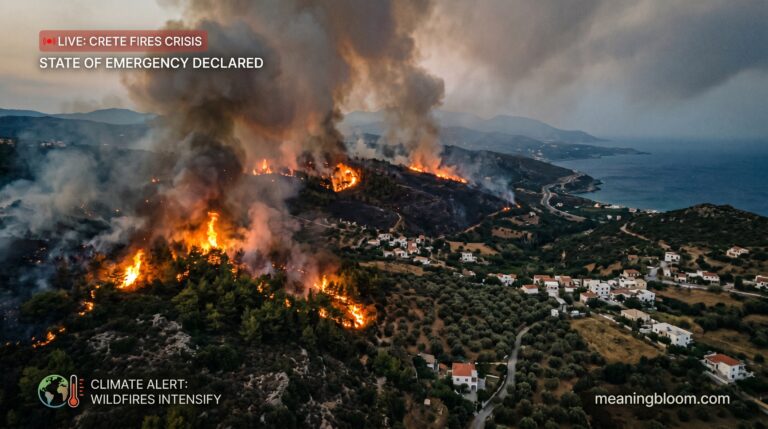
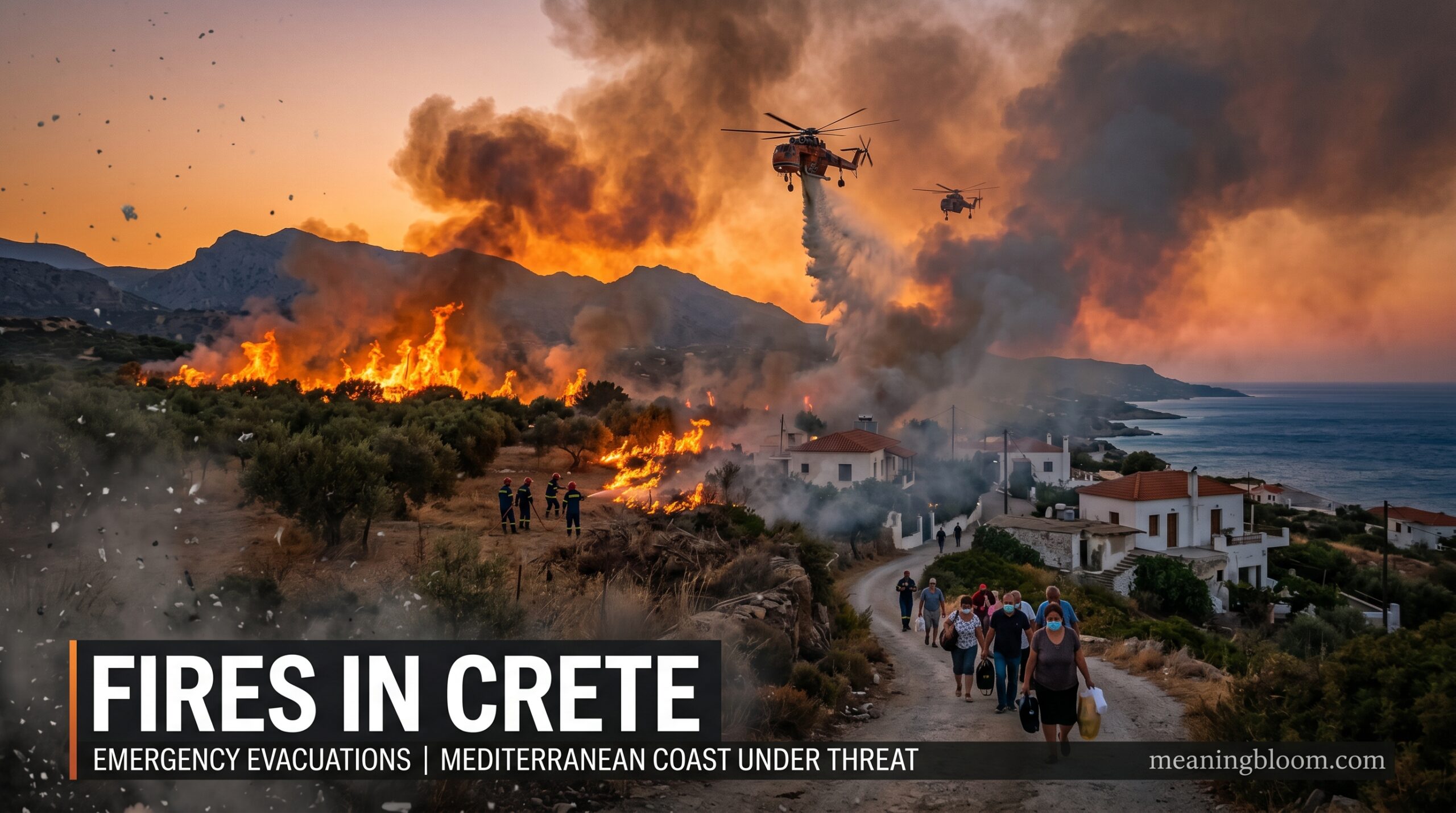

Fires in Crete have become one of the most serious environmental challenges affecting the beautiful Greek island in recent years. Every summer, rising temperatures, dry forests, and strong winds increase the danger of wildfires across Crete. These fires not only threaten forests and wildlife but also impact local communities, tourism, agriculture, and the economy.
The topic of fires in Crete has gained worldwide attention because of the increasing number of destructive wildfires linked to climate change and extreme weather conditions. From burned olive groves to evacuations in tourist areas, the island continues to face difficult challenges during the hot Mediterranean summers.
Crete is known for its stunning beaches, mountains, villages, and rich cultural history. However, wildfire incidents have become more common, forcing authorities and residents to improve fire prevention systems and emergency response plans. Travelers visiting the island during summer also need awareness about wildfire safety and evacuation procedures.
This detailed article explores the causes, history, effects, prevention strategies, emergency responses, and future concerns related to fires in Crete. It also explains how local authorities, firefighters, environmental groups, and residents work together to protect the island from devastating wildfires.
Understanding Fires in Crete
Crete is the largest island in Greece and experiences a Mediterranean climate with hot, dry summers and mild winters. During summer months, vegetation becomes extremely dry, creating ideal conditions for fires to spread rapidly.
Wildfires in Crete often begin in rural or forested areas and can quickly move toward villages, farms, and tourist locations because of strong seasonal winds. In some cases, fires start naturally due to lightning strikes, but many are caused by human activities such as unattended campfires, cigarette disposal, agricultural burning, or electrical failures.
The geography of Crete also contributes to the danger. Mountainous terrain makes firefighting difficult, especially in remote regions where emergency vehicles cannot easily access burning areas.
Why Fires in Crete Are Increasing
Several factors have contributed to the growing frequency and intensity of fires in Crete over the years.
Climate Change
Climate change is one of the biggest reasons behind increasing wildfire activity. Rising temperatures and longer heatwaves dry out forests and grasslands, making them highly flammable.
Scientists have warned that Mediterranean regions are becoming hotter and drier, increasing the risk of uncontrollable wildfires every year.
Strong Winds
Crete frequently experiences powerful summer winds that can spread flames rapidly across large distances. Winds can change direction suddenly, making fires unpredictable and dangerous for firefighters.
Dry Vegetation
The island’s vegetation becomes extremely dry during summer. Olive trees, bushes, pine forests, and grasslands can ignite easily when exposed to sparks or flames.
Human Negligence
Many fires are accidentally caused by humans. Burning trash, outdoor grilling, discarded cigarettes, fireworks, or poorly maintained electrical systems can start fires during dry weather conditions.
Abandoned Agricultural Areas
Some rural farming regions are no longer actively managed. Dry weeds and overgrown vegetation create extra fuel for fires, increasing wildfire intensity.
Historical Fires in Crete
Crete has experienced several serious wildfire events over the decades. Some fires destroyed forests, homes, and agricultural land while forcing evacuations in tourist regions.
In recent years, Greece has faced multiple nationwide wildfire disasters, and Crete has not been immune. During severe heatwaves, fire outbreaks often occur simultaneously across different parts of the island.
Past wildfire incidents have damaged:
- Olive groves
- Vineyards
- Forest ecosystems
- Wildlife habitats
- Tourist accommodations
- Rural villages
These disasters highlighted the need for stronger emergency planning and better wildfire prevention systems.
Areas Most Affected by Fires in Crete
Certain parts of Crete are more vulnerable to wildfires because of geography, vegetation density, and weather patterns.
Southern Crete
Southern regions often experience strong dry winds and isolated mountainous terrain, increasing wildfire danger.
Forested Mountain Regions
Mountain areas with pine forests can burn rapidly during extreme heat conditions.
Rural Villages
Agricultural communities surrounded by dry vegetation face high fire risks during summer.
Tourist Areas
Hotels, resorts, and coastal villages may require emergency evacuations when nearby fires spread quickly.
Environmental Impact of Fires in Crete
The environmental damage caused by fires in Crete can be devastating and long-lasting.
Forest Destruction
Wildfires destroy large areas of forest that may take decades to recover. Trees and vegetation that support biodiversity disappear rapidly during intense fires.
Wildlife Loss
Animals often struggle to escape fast-moving fires. Birds, reptiles, insects, and mammals may lose habitats or die during wildfire events.
Soil Erosion
Burned land becomes vulnerable to erosion because vegetation no longer protects the soil. Heavy rainfall after fires can wash away fertile ground.
Air Pollution
Wildfires release smoke, ash, and harmful particles into the atmosphere. Poor air quality can affect residents, tourists, and firefighters.
Water Resource Damage
Ash and debris from burned areas may contaminate rivers, reservoirs, and groundwater systems.
Economic Effects of Fires in Crete
The economic impact of fires in Crete affects many industries and local communities.
Tourism Losses
Tourism is one of Crete’s biggest economic sectors. Wildfires can lead to canceled bookings, travel disruptions, and negative international media coverage.
Visitors may avoid regions affected by smoke, evacuations, or damaged landscapes.
Agricultural Damage
Crete produces olives, olive oil, grapes, honey, and other agricultural products. Fires destroy crops, farmland, and farming infrastructure.
Property Damage
Homes, businesses, hotels, and vehicles may be damaged or destroyed by advancing fires.
Firefighting Costs
Governments spend significant amounts on emergency services, aircraft operations, equipment, and recovery efforts.
Impact on Local Communities
Residents living near wildfire-prone areas face emotional and physical challenges during fire seasons.
Evacuations
Many families must evacuate homes quickly when fires spread toward villages or towns.
Health Risks
Smoke exposure can cause breathing problems, especially for children, elderly individuals, and people with respiratory conditions.
Emotional Trauma
Losing homes, farms, or pets during fires creates emotional stress and long-term psychological effects.
Community Recovery Challenges
Rebuilding damaged homes and restoring livelihoods can take months or years.
Firefighting Efforts in Crete
Greek authorities and emergency services work continuously to combat fires in Crete during wildfire season.
Ground Firefighters
Firefighters use trucks, hoses, and specialized equipment to contain flames and protect structures.
Aerial Firefighting
Helicopters and water-dropping aircraft are used to slow fire spread in mountainous or remote areas.
Volunteer Groups
Local volunteers often assist emergency teams by helping evacuations and monitoring fire-prone regions.
International Assistance
During major wildfire emergencies, neighboring European countries sometimes provide aircraft and firefighting support.
Technology Used to Fight Fires in Crete
Modern technology plays an important role in wildfire detection and response.
Satellite Monitoring
Satellites help authorities identify fire outbreaks and monitor smoke movement.
Drones
Drones provide aerial surveillance and help firefighters assess dangerous areas.
Weather Forecasting
Meteorologists track heatwaves, wind patterns, and humidity levels to predict wildfire risks.
Emergency Alert Systems
Authorities send warnings and evacuation messages through mobile alerts and media broadcasts.
Fire Prevention Measures in Crete
Preventing wildfires is one of the most effective ways to protect communities and ecosystems.
Clearing Dry Vegetation
Removing dry grass and dead plants reduces fuel available for fires.
Firebreak Construction
Firebreaks are cleared strips of land designed to slow wildfire spread.
Public Awareness Campaigns
Authorities educate residents and tourists about fire safety rules and emergency procedures.
Restrictions During Heatwaves
Outdoor burning and risky activities may be temporarily banned during extreme weather conditions.
Forest Management
Proper forest maintenance helps reduce wildfire intensity.
Safety Tips During Fires in Crete
People living in or visiting Crete should understand wildfire safety precautions.
Stay Informed
Monitor local news and emergency alerts during wildfire season.
Follow Evacuation Orders
Never ignore evacuation instructions from authorities.
Prepare Emergency Supplies
Keep water, medications, important documents, flashlights, and basic supplies ready.
Avoid Risky Activities
Do not light fires, burn trash, or use fireworks during dry conditions.
Protect Against Smoke
Stay indoors if possible and use masks when air quality becomes dangerous.
Tourism and Fires in Crete
Despite wildfire risks, Crete remains one of the most popular tourist destinations in Europe. Most visitors continue enjoying safe vacations because authorities closely monitor fire conditions.
Tourists should:
- Check weather and fire warnings
- Follow hotel safety instructions
- Know evacuation routes
- Avoid restricted forest areas
- Stay updated through local authorities
Travel companies and hotels often provide guidance during emergencies.
Climate Change and the Future of Fires in Crete
Experts believe climate change will continue increasing wildfire risks across Mediterranean regions, including Crete.
Future concerns include:
- Longer wildfire seasons
- Higher temperatures
- More intense heatwaves
- Stronger drought conditions
- Increased pressure on emergency services
Governments and environmental organizations are working on long-term climate adaptation strategies to reduce future wildfire damage.
Read Also: Iceland Sentinel: The Future of AI Monitoring and Global Protection System
Environmental Recovery After Fires
Recovering from major fires takes time and careful planning.
Reforestation
Planting native trees helps restore damaged ecosystems.
Soil Protection
Special techniques reduce erosion in burned areas.
Wildlife Conservation
Environmental groups monitor wildlife populations and habitat recovery.
Community Support Programs
Governments may provide financial assistance to affected residents and farmers.
Role of Local Communities
Local residents play a major role in wildfire prevention and recovery efforts.
Communities often organize:
- Volunteer firefighting groups
- Forest clean-up campaigns
- Awareness programs
- Emergency planning meetings
- Tree planting activities
Community cooperation significantly improves wildfire preparedness.
Lessons Learned from Fires in Crete
Wildfire disasters have taught valuable lessons about emergency management and environmental protection.
Important lessons include:
- Early detection saves lives
- Public awareness is essential
- Climate adaptation is necessary
- Forest management reduces risk
- Fast evacuations prevent casualties
- International cooperation strengthens response efforts
Governments continue improving policies and emergency systems based on past experiences.
How Travelers Can Stay Safe
Visitors planning trips to Crete during summer should remain informed about local conditions.
Check Official Updates
Review fire warnings and weather forecasts before traveling.
Purchase Travel Insurance
Insurance may help cover cancellations or emergency disruptions.
Respect Local Restrictions
Do not enter restricted areas or ignore fire safety rules.
Keep Emergency Contacts
Save hotel contacts and emergency numbers on your phone.
Stay Calm During Emergencies
Follow instructions from authorities and hotel staff.
The Importance of Protecting Crete’s Ecosystem
Crete’s environment is one of its greatest treasures. Forests, mountains, wildlife, beaches, and traditional villages attract millions of visitors every year.
Protecting the island from destructive fires is essential for:
- Biodiversity conservation
- Tourism sustainability
- Agricultural productivity
- Public safety
- Cultural heritage preservation
Long-term environmental planning will play a major role in reducing future wildfire risks.
Media Coverage of Fires in Crete
International media often reports on large wildfire events in Greece because they affect tourism, climate discussions, and public safety.
Social media also spreads real-time updates, photos, and videos during wildfire emergencies. However, misinformation can sometimes create panic, making official updates extremely important.
Authorities encourage people to rely on trusted emergency sources instead of rumors.
Global Wildfire Trends
Fires in Crete are part of a larger global wildfire crisis affecting many countries.
Regions experiencing severe wildfire increases include:
- Greece
- Spain
- Italy
- Portugal
- Canada
- Australia
- California in the United States
Scientists link many of these events to climate change and extreme weather patterns.
Government Policies and Wildfire Management
The Greek government continues investing in wildfire prevention and response improvements.
Strategies include:
- Increasing firefighting budgets
- Expanding emergency alert systems
- Purchasing firefighting aircraft
- Improving evacuation planning
- Supporting climate adaptation projects
- Strengthening forest protection laws
These measures aim to reduce wildfire damage and improve public safety across Crete and other regions.
Community Awareness and Education
Education is critical for preventing human-caused fires.
Schools, media organizations, and local governments teach people about:
- Fire prevention habits
- Emergency preparedness
- Environmental conservation
- Responsible tourism
- Safe agricultural practices
Increased awareness can significantly lower wildfire risks.
Read Also: Storm Leonardo: Powerful Weather System Explained
Conclusion
Fires in Crete continue to pose serious environmental, economic, and social challenges for the island and its residents. Rising temperatures, climate change, dry vegetation, and strong winds have increased wildfire dangers across many regions of Crete.
The impact of fires in Crete extends beyond burned forests and damaged property. Wildfires affect tourism, agriculture, wildlife, public health, and local communities. Despite these challenges, firefighters, volunteers, environmental organizations, and government agencies work tirelessly to protect the island and improve emergency response systems.
Preventing future wildfires requires cooperation between authorities, residents, tourists, and global climate initiatives. Through better awareness, stronger forest management, advanced technology, and environmental protection efforts, Crete can continue preserving its natural beauty for future generations.
Understanding the causes and consequences of fires in Crete helps people appreciate the importance of wildfire prevention and sustainable environmental practices across the Mediterranean region.