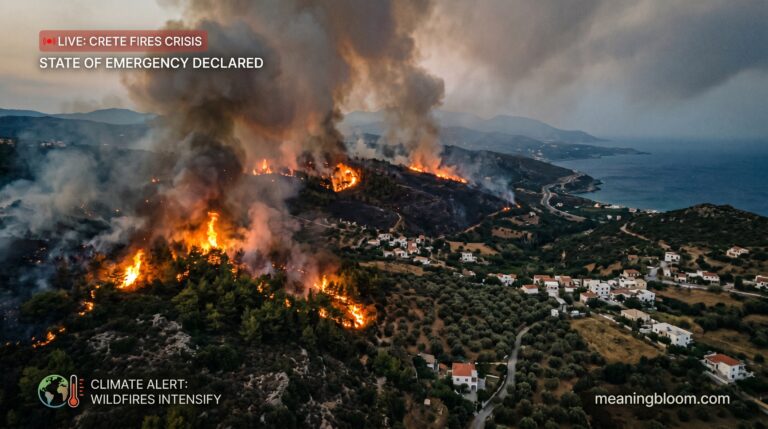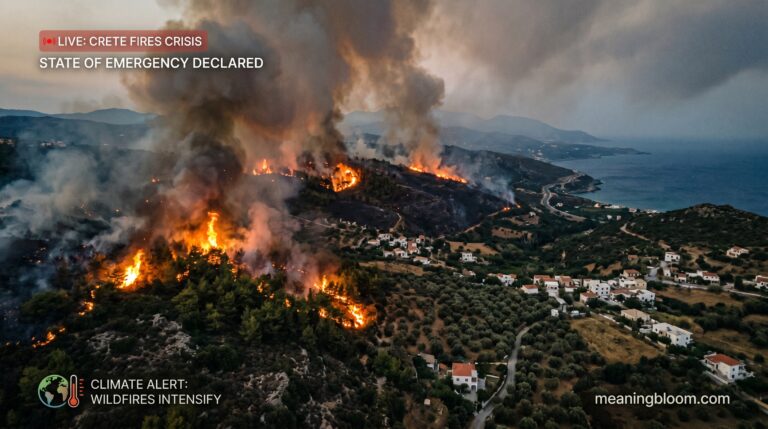

The issue of wild fires crete has become one of the most serious environmental challenges affecting the island in recent decades. Crete, the largest island of Greece, is widely known for its natural beauty, rich biodiversity, olive groves, mountainous terrain, and coastal landscapes. However, behind this beauty lies a growing environmental risk: frequent and often destructive wildfires.
The problem of wild fires crete is not only a natural disaster issue but also a complex interaction of climate change, human negligence, land use practices, and ecological vulnerability. Every summer, high temperatures, dry vegetation, and strong winds create ideal conditions for fires to spread rapidly across forests, farmland, and rural settlements.
In recent years, these fires have become more intense and harder to control, causing widespread environmental damage, economic losses, and social disruption. exploration of wild fires crete, including causes, impacts, history, prevention strategies, and future risks.
Geographic and Environmental Conditions of Crete
Crete’s geography plays a major role in shaping the behavior and intensity of wild fires crete. The island features a complex landscape of mountains, valleys, cliffs, and coastal plains. This uneven terrain makes firefighting difficult and allows fires to spread unpredictably.
Hot Mediterranean Climate
Crete has a typical Mediterranean climate characterized by hot, dry summers and mild, wet winters. During summer, temperatures often rise above 30–40°C, and rainfall becomes extremely limited. This long dry season causes vegetation to lose moisture and become highly flammable.
As a result, wild fires crete are most common during July, August, and September when conditions are at their driest. Heatwaves further intensify this risk by drying out even the deeper layers of soil and vegetation.
Strong Winds and Fire Spread
Wind is one of the most dangerous factors in wildfire behavior. Crete frequently experiences strong seasonal winds that can rapidly spread flames across large areas. These winds carry burning debris, sparks, and embers far beyond the original fire zone.
This means that even when firefighters manage to control part of a fire, wind changes can reignite new areas, making wild fires crete extremely unpredictable and difficult to contain.
Vegetation and Fuel Load
The island’s vegetation includes olive trees, pine forests, shrubs, and dry grasses. While these ecosystems are essential for agriculture and biodiversity, they also act as natural fuel sources during dry seasons.
Pine trees, in particular, contain resins that burn easily and intensely. Once ignited, they can accelerate fire spread dramatically. This natural fuel load is a key reason why wild fires crete can escalate so quickly.
Causes of Wild Fires in Crete
Understanding the causes of wild fires crete is essential for effective prevention and risk management. These causes are generally divided into natural causes, human activities, and climate-related factors.
Natural Causes
Natural ignition sources include lightning strikes and spontaneous combustion during extreme heat conditions. Although these events are relatively rare, they can still trigger significant wildfires when vegetation is extremely dry.
Extended drought conditions also increase the likelihood of spontaneous ignition due to heat accumulation in dry organic matter.
Human Activities
Human behavior is the leading cause of wildfires in Crete. Many fires begin due to accidental or careless actions, such as:
- Burning agricultural waste without supervision
- Throwing cigarette butts in dry fields or forests
- Unattended campfires in rural areas
- Electrical faults near vegetation zones
- Construction work producing sparks
- Illegal land clearing using fire
Even small mistakes can lead to large-scale disasters. Therefore, human negligence remains a central factor in wild fires crete incidents.
Agricultural Practices
Traditional farming methods sometimes involve controlled burning of fields to clear land. However, when not properly managed, these controlled burns can escape and become uncontrolled wildfires.
With Crete’s strong winds and dry vegetation, even a small agricultural fire can quickly turn into a large wild fires crete event.
Climate Change Influence
Climate change has significantly increased wildfire risks globally. In Crete, rising temperatures, reduced rainfall, and prolonged drought periods have created drier environmental conditions.
These changes mean that fire seasons are now longer and more intense. Climate change has also increased the frequency of extreme weather events, such as heatwaves, which directly contribute to wild fires crete.
Historical Wildfires in Crete
Crete has experienced numerous wildfire events throughout its history, some of which have caused severe damage to forests, agriculture, and settlements.
Large-Scale Fire Events
Over the past few decades, multiple large wildfires have burned thousands of hectares of land across Crete. These fires often required national emergency response, including firefighting aircraft, helicopters, and coordinated ground teams.
Some of these events lasted for days due to difficult terrain and strong winds, making wild fires crete extremely challenging to control.
Impact on Rural Villages
Many rural communities in Crete are located near forested or mountainous areas, making them vulnerable to wildfires. In several incidents, residents were forced to evacuate quickly as fires approached villages.
Homes, livestock, and farmland have been damaged or destroyed, causing long-term economic hardship for local families.
Agricultural Loss History
Olive farming is a major economic activity in Crete. Wildfires have repeatedly destroyed olive groves, some of which take decades to fully mature. This has resulted in long-term financial losses for farmers and local economies.
Lessons from Past Fires
Each wildfire event has helped authorities improve emergency response systems. Over time, better coordination between fire departments, military support, and local volunteers has been developed.
However, despite improvements, wild fires crete remain a recurring challenge.
Environmental Impact of Wild Fires Crete
The environmental consequences of wild fires crete are severe and long-lasting, affecting ecosystems, biodiversity, and land quality.
Forest Destruction
Forests are one of the most affected ecosystems during wildfires. Trees, shrubs, and plants are destroyed within hours, leading to loss of biodiversity and habitat destruction.
Recovery of forest ecosystems can take decades, depending on fire intensity and soil condition.
Soil Erosion and Land Degradation
After a wildfire, soil becomes loose and loses its protective vegetation cover. This makes it highly vulnerable to erosion, especially during heavy rains.
In mountainous regions of Crete, this often leads to landslides and long-term soil fertility loss, reducing agricultural productivity.
Loss of Biodiversity
Wildfires destroy habitats for many animal species, including birds, reptiles, and small mammals. Some species are forced to migrate, while others may not survive.
Repeated wild fires crete events can permanently alter local ecosystems and reduce biodiversity levels.
Economic Impact of Wild Fires Crete
Wildfires have a significant economic impact on Crete’s key industries, including agriculture and tourism.
Agricultural Damage
Agriculture, especially olive oil production, is one of Crete’s main economic pillars. Wildfires destroy olive trees, vineyards, and grazing lands, resulting in long-term financial losses.
Since olive trees take many years to mature, recovery from wild fires crete damage is slow and costly.
Tourism Industry Effects
Tourism is another major economic sector in Crete. Wildfires can damage natural landscapes, reduce air quality, and discourage tourists from visiting affected areas.
Negative media coverage and travel advisories can further reduce tourism revenue, affecting hotels, restaurants, and local businesses.
Infrastructure Damage
In severe cases, wildfires can damage roads, electricity lines, and communication systems. This disrupts daily life and increases recovery costs for local authorities.
Social and Health Impacts
The effects of wild fires crete extend beyond environment and economy, deeply affecting human health and social well-being.
Health Risks
Smoke from wildfires contains harmful particles that can cause respiratory problems, especially for children, elderly individuals, and people with pre-existing conditions.
Long exposure to smoke can lead to eye irritation, asthma, and other serious health issues.
Psychological Stress
Evacuations, property loss, and uncertainty create emotional stress for affected communities. Many people experience anxiety, fear, and trauma after wildfire incidents.
Community Disruption
Wildfires disrupt daily life, forcing schools, businesses, and services to close temporarily. This affects community stability and social structure.
Fire Prevention and Control Strategies
Preventing wild fires crete requires coordinated efforts between government agencies, emergency services, and citizens.
Early Detection Systems
Modern technology plays a crucial role in wildfire prevention. Satellite monitoring, drones, and automated detection systems help identify fires in early stages.
Early detection allows firefighters to respond quickly and reduce damage.
Firefighting Resources
Crete has improved its firefighting capabilities with trained personnel, fire engines, aircraft, and water-dropping helicopters. These resources are essential for controlling large-scale fires.
Public Awareness Campaigns
Education and awareness campaigns are critical in reducing human-caused fires. People are encouraged to follow safety guidelines, avoid burning waste, and report suspicious smoke immediately.
Community Role in Wildfire Prevention
Local communities are essential in preventing and responding to wild fires crete.
Local Training Programs
Residents in rural areas often receive training in basic fire response techniques. This helps them act quickly during emergencies.
Fire Reporting Systems
Quick communication with authorities can prevent small fires from becoming large disasters. Community vigilance plays a key role in early response.
Land Management Practices
Communities are encouraged to maintain clean land areas, remove dry vegetation, and create firebreaks to reduce fire spread risks.
Future Outlook of Wild Fires in Crete
The future of wild fires crete depends on environmental policies, climate trends, and technological advancements.
Increasing Fire Risks
Climate change suggests that wildfire seasons will become longer and more intense. Rising temperatures and drought conditions will continue to increase risks.
Technological Improvements
Artificial intelligence, predictive modeling, and advanced satellite systems are expected to improve fire prediction and management.
Sustainable Environmental Practices
Reforestation, controlled grazing, and better land-use planning will be essential in reducing wildfire risks in the long term.
Read Also: Crete Wildfires: A Deep, Unique Perspective on a Growing Mediterranean Crisis
Conclusion
he issue of wild fires crete represents a serious and growing environmental challenge. It affects natural ecosystems, agriculture, tourism, public health, and community life across the island.
While natural conditions such as heat and wind contribute to fire risks, human activities and climate change are the primary drivers behind increasing wildfire incidents. However, with modern technology, improved emergency response systems, and strong community involvement, it is possible to reduce the impact of these fires.
Protecting Crete requires long-term planning, awareness, and responsibility. The future of the island depends on how effectively we manage and prevent wild fires crete in the coming years.