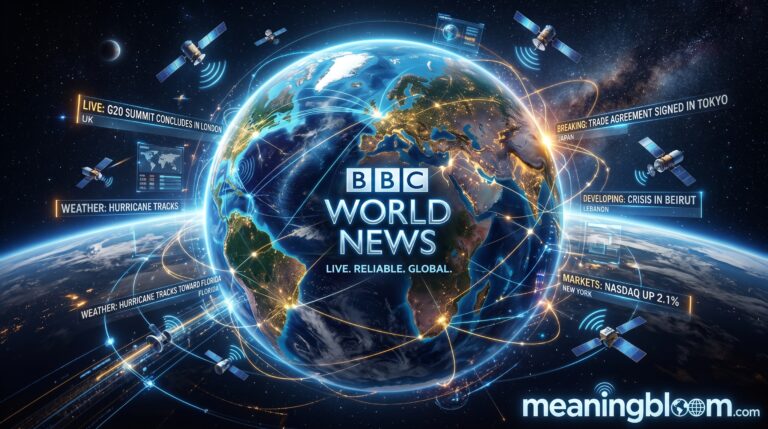


The world of news has become one of the most powerful systems in human society. In today’s digital age, news is no longer limited to newspapers or television screens; it has transformed into a fast, global, and highly interactive flow of information that reaches people within seconds. The influence of news continues to grow every year because it shapes public opinion, affects decision-making, and connects billions of people across different cultures and countries.
The importance of news can be seen in every part of life—politics, economy, education, technology, entertainment, and even personal lifestyle choices. People rely on news to understand what is happening in their country and around the world. Without news, society would be disconnected, uninformed, and unable to respond to global changes.
In this detailed article, we will explore the full meaning of news, its historical development, modern transformation, types, importance, challenges, and future possibilities. We will also understand how news has become one of the strongest pillars of modern civilization.
Understanding the Meaning of News
What is News?
News is defined as newly received or updated information about current events that are important or interesting to the public. It includes facts, reports, investigations, and updates that help people stay aware of what is happening locally, nationally, and internationally.
The purpose of news is not only to inform but also to educate and sometimes to influence public thinking. It acts as a bridge between events happening in the world and the people who need to know about them.
In earlier times, news was shared slowly through word of mouth or printed materials. Today, however, it is delivered instantly through digital platforms, making it one of the fastest communication systems in human history.
Core Elements of News
For any information to qualify as news, it must include certain essential elements:
Timeliness is one of the most important factors because news must be recent or updated. Outdated information loses its value.
Relevance is equally important because news must matter to the audience it is targeting. For example, local news is more relevant to local communities.
Accuracy ensures that news is based on verified facts rather than rumors or assumptions. Without accuracy, news loses trust.
Impact refers to how much the news affects individuals or society. Major events like elections, disasters, or economic changes are high-impact news.
Interest means the ability of news to attract attention. Even if a topic is not directly impactful, it can still be considered news if it is widely interesting.
The Evolution of News Media
Print Era of News
The history of news begins with the print era, when newspapers were the primary source of information. Printed news played a critical role in shaping early societies by providing updates about government decisions, wars, trade, and social events.
During this era, news traveled slowly, often taking days or weeks to reach different regions. Despite this delay, printed news was considered highly reliable and authoritative.
Newspapers also helped develop journalism as a profession. Reporters, editors, and publishers became responsible for collecting and distributing news in an organized way. This period established the foundation of modern news ethics, including truthfulness, fairness, and responsibility.
Broadcast Revolution
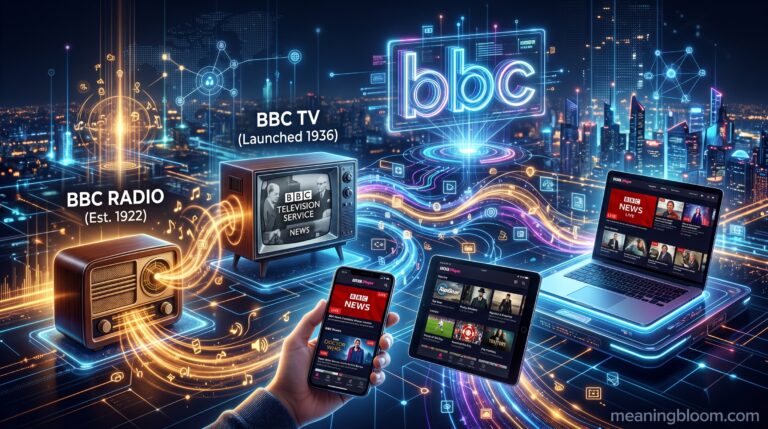
The invention of radio brought a massive transformation in the world of news. For the first time, people could hear news updates instantly without waiting for printed materials. Radio made news more accessible to rural and urban populations alike.
Later, television added visual elements to news, making it even more powerful. People could now watch events happening in real time, which increased emotional engagement and understanding.
Broadcast news changed society by making information more immediate, emotional, and widespread. Major global events such as wars, political speeches, and disasters were now experienced by audiences as they happened.
Digital Transformation
The arrival of the internet completely revolutionized news distribution. Online platforms made it possible to publish and access news instantly from anywhere in the world.
Websites, blogs, and online portals became major sources of news, replacing traditional newspapers for many readers. Social media platforms further accelerated this change by allowing users to share news instantly.
Today, news is consumed primarily through smartphones, apps, and digital feeds. People receive breaking news alerts in real time, making the world more connected than ever before.
However, this transformation also brought challenges such as misinformation, fake news, and information overload.
Types of News in Modern Society
Political News
Political news is one of the most important categories because it deals with government actions, policies, elections, international relations, and political developments.
Political news helps citizens understand how their country is being governed. It also plays a crucial role in democracy by ensuring transparency and accountability.
During election periods, political news becomes extremely active as people rely on it to choose leaders and understand party agendas.
Economic News
Economic news covers topics like inflation, employment rates, stock markets, business growth, and global trade.
This type of news is essential for investors, companies, and governments because it helps in making financial decisions. Economic news also affects ordinary people by influencing job opportunities, prices, and savings.
Global economic news can even impact international markets, showing how interconnected the world economy has become.
Sports News
Sports news focuses on games, tournaments, players, teams, and achievements. It is one of the most entertaining and widely consumed forms of news.
Fans follow sports news to stay updated on their favorite teams and athletes. Major events like the Olympics, FIFA World Cup, and cricket tournaments generate massive global attention.
Sports news also promotes unity and cultural exchange among nations.
Entertainment News
Entertainment news covers movies, music, celebrities, television shows, and cultural events.
This category of news is highly popular because it connects with emotions and lifestyle interests. People enjoy learning about celebrities, upcoming films, and entertainment industry trends.
Entertainment news also influences fashion, trends, and popular culture worldwide.
Technology News
Technology news is one of the fastest-growing categories in the modern world. It includes updates about gadgets, software, artificial intelligence, space research, and scientific discoveries.
As technology continues to evolve rapidly, news in this category helps people stay updated with innovations that affect daily life.
From smartphones to AI systems, technology news plays a crucial role in shaping the future.
Importance of News in Society
Awareness and Education
One of the main functions of news is to increase awareness among people. It helps individuals understand global events, social issues, and local developments.
Through news, people learn about health issues, environmental problems, and technological advancements. This makes society more educated and informed.
Supporting Democracy
A strong democracy depends on transparent and accurate news. Citizens need reliable information to make decisions during elections and to understand government performance.
Without news, democratic systems cannot function properly because people would not have enough information to make informed choices.
Social Connection
News plays an important role in connecting people. It creates shared experiences by informing society about common events and issues.
Whether it is a natural disaster or a global celebration, news brings people together emotionally and socially.
Economic Decision-Making
Businesses, investors, and governments rely heavily on news for decision-making. Financial markets react instantly to economic news, showing its importance in global economics.
Without accurate news, economic planning and investment strategies would become uncertain and risky.
Role of Digital News Platforms
Instant Information Delivery
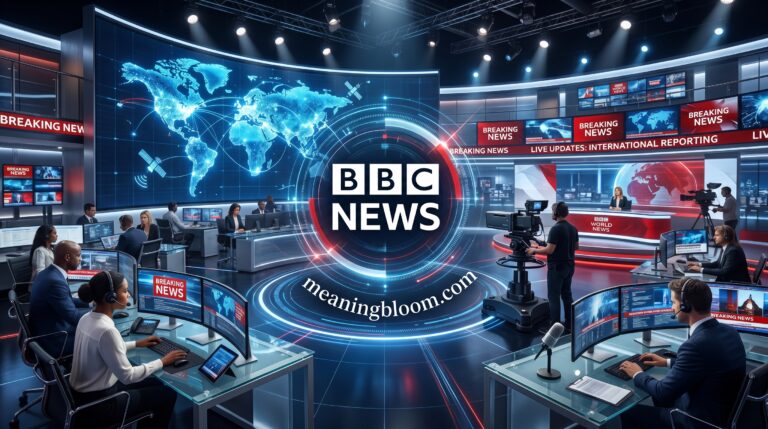
Digital platforms have made news extremely fast. Breaking news can reach millions of users within seconds through websites and mobile applications.
This speed has changed how people consume information, making real-time updates a normal part of daily life.
Social Media Influence
Social media platforms have become one of the biggest sources of news today. Users can share, comment, and discuss news instantly.
However, this also increases the risk of fake news, as not all information shared online is verified.
Personalization of News
Modern algorithms allow news platforms to show personalized content based on user interests.
While this improves user experience, it can also limit exposure to different viewpoints, creating information bubbles.
Challenges Facing News Industry
Fake News and Misinformation
One of the biggest challenges in the news industry is the spread of false information. Fake news can mislead people and create confusion in society.
Declining Trust in Media
Many people now question the credibility of news sources due to bias or sensationalism. This has reduced trust in traditional media organizations.
Information Overload
With so much news available online, people often feel overwhelmed. It becomes difficult to identify important and reliable news.
Financial Pressure
Many news organizations struggle financially due to competition from free digital platforms and declining print sales.
Future of News Industry
Artificial Intelligence in News
AI is becoming a major part of news production. It helps in writing reports, analyzing data, and delivering personalized news experiences.
Virtual Reality News
Future news may use VR technology to create immersive experiences where users can feel like they are part of the event.
Citizen Journalism
With smartphones, ordinary people can now report news instantly. This has made journalism more democratic and widespread.
Read Also: World News: Covering Events Across Every Corner Globally
Conclusion
news is one of the most powerful forces in modern society. It informs, educates, and connects people across the world. From its early print origins to today’s digital platforms, news has continuously evolved and adapted to new technologies.
Despite challenges like fake news, misinformation, and declining trust, the importance of news remains stronger than ever. It plays a critical role in democracy, economy, education, and global communication.
As we move into the future, news will continue to evolve with artificial intelligence, virtual reality, and digital innovation. The responsibility now lies with both creators and consumers to ensure that news remains accurate, ethical, and beneficial for society.
The world will always depend on news as a guiding force that shapes understanding, awareness, and progress.