
The bbc (British Broadcasting Corporation) is one of the most influential and respected media organizations in the world. Established in the United Kingdom, it has grown into a global symbol of trustworthy journalism, accurate reporting, and public service broadcasting. From radio beginnings in the early 20th century to its current digital-first strategy, the BBC has continuously evolved with technology and audience needs.
Today, BBC is not just a broadcaster but a global information ecosystem. It delivers news, documentaries, entertainment, education, and live coverage of world events across television, radio, and digital platforms. Millions of people rely on BBC every day to understand what is happening in their country and around the world.
In this detailed article, we will explore the history, structure, services, global influence, challenges, and future of the BBC. We will also examine why it remains one of the most trusted media brands in modern journalism
The Origins of BBC
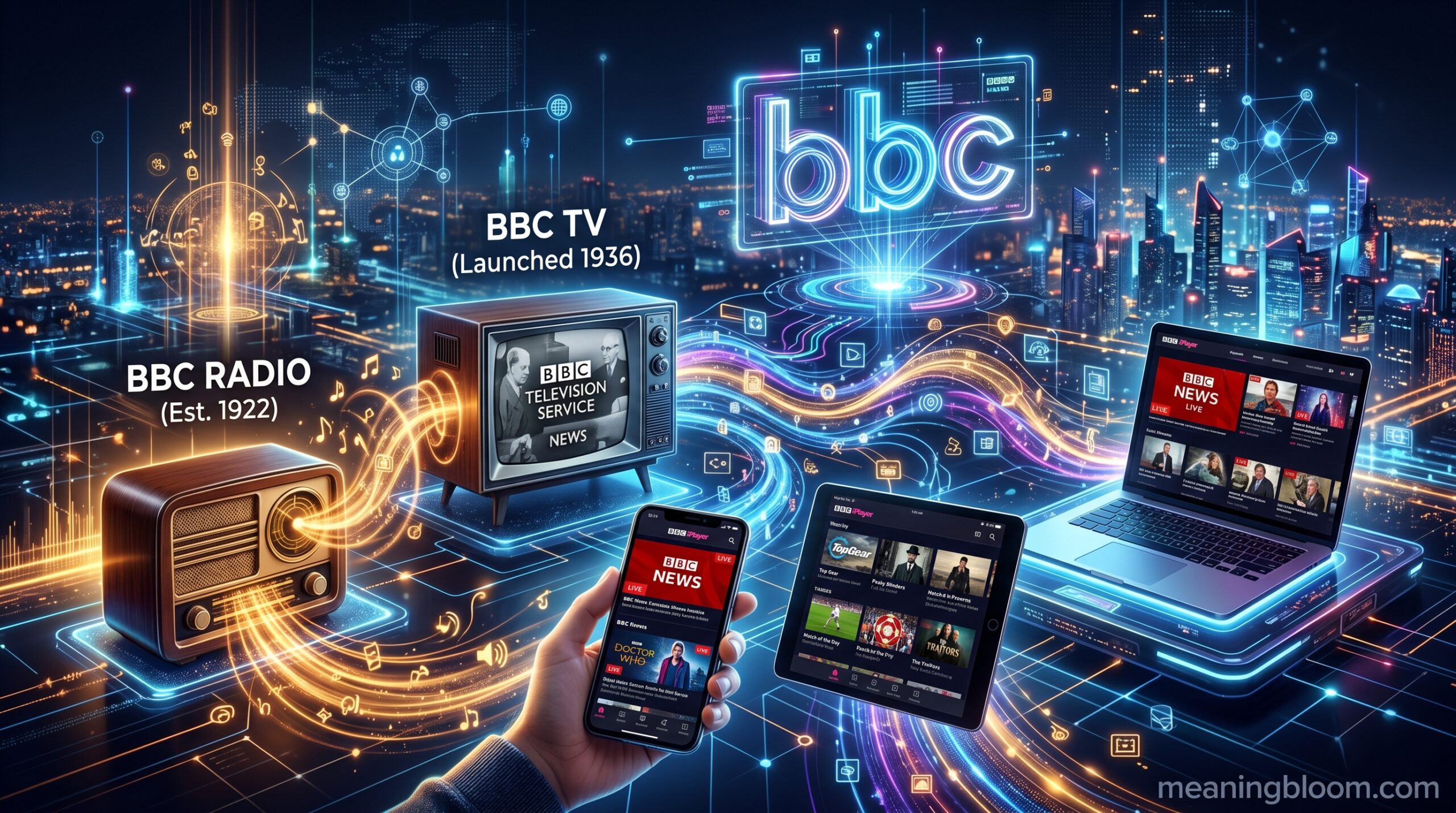
The BBC was founded in 1922 in London as the British Broadcasting Company, later becoming a public corporation in 1927. At the time, radio was the dominant communication technology, and the idea of organized national broadcasting was still new.
The early mission of the BBC was simple but powerful: to inform, educate, and entertain. This philosophy still guides its operations today. The organization was built on the belief that media should serve the public interest rather than purely commercial goals.
In its early years, the BBC focused on radio broadcasting, delivering news, music, drama, and cultural programs. As technology advanced, it expanded into television broadcasting in the 1930s, becoming one of the pioneers of visual media communication.
Growth into a Global Media Power
Over the decades, the BBC transformed from a national broadcaster into a global media powerhouse. With the launch of international services such as the BBC World Service, it began reaching audiences far beyond the United Kingdom.
Today, BBC content is available in multiple languages and across nearly every continent. Its global reach is supported by television channels, radio networks, and digital platforms.
This expansion allowed the BBC to become a key source of international news, especially in regions where independent journalism is limited or restricted.
BBC News and Global Journalism Standards
BBC News plays a central role in global journalism. It is widely recognized for its editorial independence, accuracy, and commitment to fact-based reporting.
BBC News operates under strict editorial guidelines that ensure all information is verified before publication. Journalists are required to use multiple credible sources, cross-check facts, and avoid bias in reporting.
In an era where misinformation spreads rapidly through social media, BBC News stands out as a reliable and trusted source of truth. Its reporting covers politics, economics, science, health, technology, and global conflicts.
The organization also emphasizes impartiality, ensuring that different perspectives are represented in its coverage.
Structure and Organization of BBC
The BBC operates under a unique public service model funded primarily by the UK television license fee. This structure allows it to remain independent from commercial advertising influence.
The organization is divided into several major divisions:
- BBC Television
- BBC Radio
- BBC News
- BBC Online
- BBC Studios (commercial production arm)
Each division focuses on different aspects of media production and distribution. Together, they form a comprehensive ecosystem that serves diverse audiences.
BBC Television Services
BBC television is one of the most widely recognized aspects of the organization. Channels like BBC One and BBC Two offer a mix of news, entertainment, drama, documentaries, and cultural programming.
BBC television has produced some of the most iconic shows in broadcasting history, including nature documentaries, historical dramas, and investigative journalism programs.
The BBC’s documentary filmmaking, in particular, is globally respected for its high production quality and educational value.
BBC Radio and Audio Broadcasting
Before television became dominant, BBC radio was the foundation of its success. Even today, radio remains a vital part of its services.
BBC Radio offers a wide variety of content, including music, talk shows, news updates, and cultural discussions. The BBC World Service radio broadcasts in multiple languages, reaching millions of listeners globally.
Radio continues to play a crucial role in regions with limited internet access, making it an essential communication tool.
Digital Transformation of BBC
In the digital era, the BBC has significantly expanded its online presence. Its website and mobile applications provide real-time news updates, video content, live streaming, and interactive features.
The organization has embraced social media platforms such as YouTube, X (Twitter), Facebook, and Instagram to engage with younger audiences.
Digital transformation has also allowed the BBC to personalize content, offering recommendations based on user preferences and behavior.
BBC and the Role of Technology
Technology plays a major role in the BBC’s operations. The organization uses advanced tools such as artificial intelligence, data journalism, and automated reporting systems.
AI helps BBC analyze large datasets, detect trends, and deliver faster news updates. Data visualization tools enhance storytelling by making complex information easier to understand.
Virtual reality and immersive media are also being explored to create more engaging content experiences.
Trust, Credibility, and Public Reputation
One of the biggest strengths of the BBC is its reputation for trust and credibility. Over decades, it has built a strong brand identity based on accuracy and fairness.
Unlike many commercial media organizations, the BBC prioritizes public interest over profit. This has helped it maintain high levels of audience trust worldwide.
However, maintaining neutrality is an ongoing challenge, especially in politically sensitive situations. Despite this, BBC continues to be one of the most respected news organizations globally.
BBC’s Role in Education and Learning
The BBC is not only a news provider but also a major educational resource. Platforms like BBC Bitesize offer free learning materials for students of all ages.
These resources cover subjects such as mathematics, science, history, and languages. During global crises like the COVID-19 pandemic, BBC educational services played a crucial role in supporting remote learning.
The organization also produces documentaries and educational programs that promote lifelong learning.
BBC’s Cultural Impact
The BBC has had a significant influence on global culture. Its dramas, comedies, documentaries, and music programs have shaped public taste and cultural understanding.
British television content produced by the BBC is widely exported and enjoyed internationally. It has helped promote British culture while also embracing global diversity.
The BBC also supports new talent in the creative industry, providing opportunities for writers, actors, journalists, and producers.
Challenges Faced by BBC
Despite its success, the BBC faces several challenges in the modern media landscape:
- Increasing competition from streaming platforms and private news companies
- Declining traditional TV and radio audiences
- Funding pressures and debates over license fees
- Rising misinformation and fake news online
- Political criticism regarding bias and neutrality
These challenges require continuous adaptation and innovation.
BBC in the Age of Social Media
Social media has completely changed how people consume news. The BBC has adapted by creating strong digital strategies across platforms.
It now delivers breaking news updates, live coverage, and short-form videos optimized for mobile users. Social media also allows the BBC to interact directly with audiences and receive real-time feedback.
However, social media also increases the risk of misinformation spreading faster than verified news.
Global Influence of BBC
The BBC has a powerful global influence, especially through international news coverage. It is often one of the first sources people turn to during major global events such as wars, elections, and natural disasters.
Its multilingual services ensure accessibility across different regions, making it a truly global broadcaster.
In many countries, BBC is seen as a symbol of independent journalism and reliable reporting.
Innovation and Future of BBC
The future of the BBC is closely tied to technological innovation. The organization is investing heavily in digital platforms, artificial intelligence, and personalized content delivery.
Future developments may include:
- Fully interactive news experiences
- AI-generated personalized news feeds
- Expanded global digital streaming services
- Enhanced virtual reality storytelling
These innovations aim to keep the BBC relevant in a rapidly changing media environment.
Ethical Standards and Journalism Principles
The BBC follows strict ethical guidelines to maintain journalistic integrity. These include:
- Accuracy before speed
- Impartiality in reporting
- Accountability to the public
- Transparency in corrections
- Respect for privacy and dignity
These principles ensure that BBC journalism remains credible and responsible.
Conclusion
The bbc remains one of the most powerful and respected media organizations in the world. Its commitment to truth, accuracy, and public service has made it a global leader in journalism.
BBC News continues to shape how people understand global events, providing reliable and unbiased information in an age of misinformation and digital overload.
From its humble beginnings in radio broadcasting to its current position as a global digital media giant, the BBC has consistently adapted to change while maintaining its core values.
Its influence extends beyond journalism into education, culture, and technology. Despite facing modern challenges, the BBC’s future remains strong due to its innovation, credibility, and global trust.
In a world where information is constantly changing, the BBC stands as a pillar of stability, reliability, and truth.